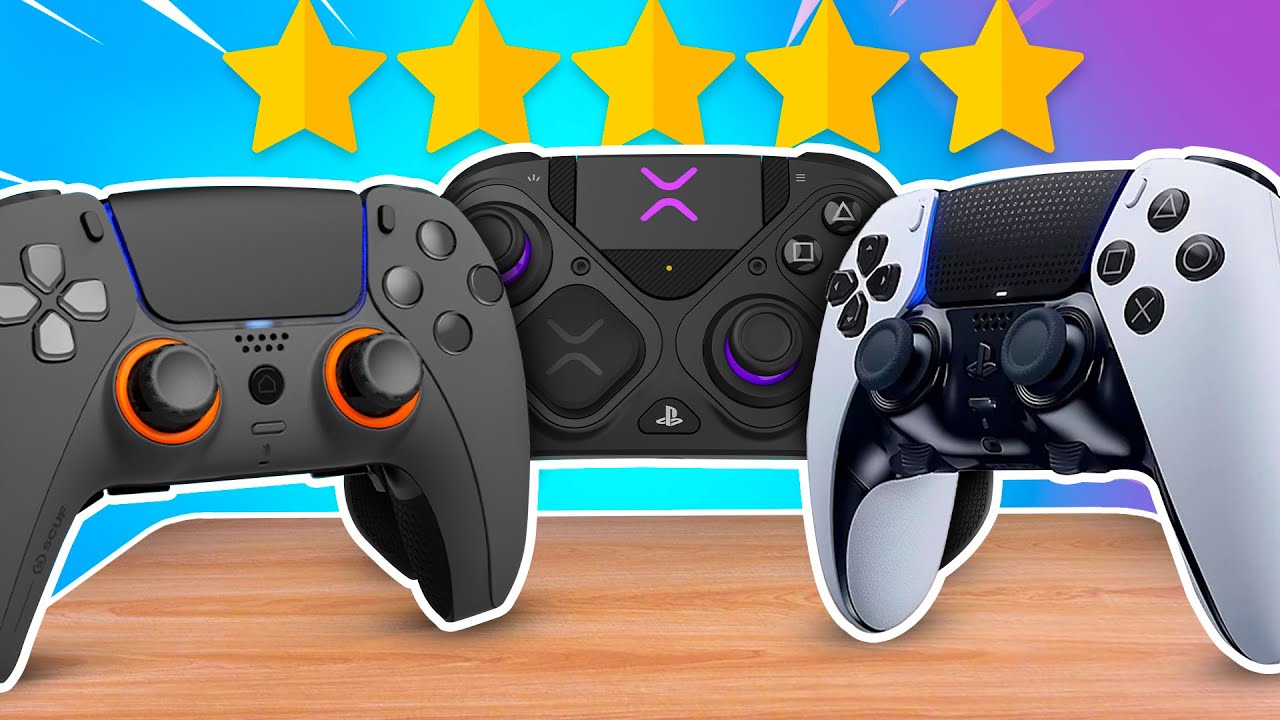
If you are hunting for faster shots and steadier aim, trigger stops on custom PS5 controllers are one of the few mods that move the needle immediately. They shorten the travel of L2 and R2 so the trigger actuates sooner. In practical terms, your gun fires with less finger movement, your aim holds steadier during rapid fire, and your timing gets more consistent from shot to shot. For shooters, they are absolutely worth a look, especially when paired with back paddles and a grippy shell like Helico Hexavent shells.
Quick take for the impatient:
- Trigger stops reduce trigger travel, often from roughly 7 to 1.5 millimeters, cutting 20 to 40 milliseconds from time to shot. Best for shooters with semi-auto taps, shotgun timing, and fast ADS firing. Mixed for racers and story games that use analog throttle. Adjustable stops and digital hair triggers both work. The right choice depends on whether you still want analog control. Pair stops with back paddles to offload jump, slide, and reload inputs, which steadies your aim even more. On PC, trigger stops work fine. Just remember to tune deadzones in Steam Input or in-game menus.
What a trigger stop really does
Definition you can trust: A trigger stop is a mechanical limit that reduces how far your trigger travels before the input registers. That means less motion, less time, and less disruption to your aim line. The standard PS5 trigger has long travel and adaptive resistance, which feels great in single-player games. For competitive shooters, that long throw is wasted motion. Custom PS5 controllers with trigger stops compress that throw so the electrical signal fires sooner.
Two things happen when you cut travel. First, your reaction loop tightens. The finger moves less before a bullet leaves the barrel. Second, your reticle shakes less during rapid fire because your trigger finger is not yanking through a long arc every time.
You will still feel some analog range if the stop is not set ultra short, but the main purpose is to hit the actuation point fast and predictably. If you go all the way to hair-trigger territory, the trigger can feel like a mouse click. That is excellent for tap firing, but you give up fine control for throttle and variable brake pressure.
Where trigger stops shine, and where they get in the way
Competitive shooters are the sweet spot. Think Warzone, Apex, Destiny, Fortnite, Valorant on PC with a controller, and even tactical games like Rainbow Six. Whenever you tap L2 to ADS and feather R2 for semi-auto shots, shorter travel equals less aim shake and faster follow-up shots. Shotguns and burst weapons benefit because cadence and timing matter more than analog control.
They are less perfect for games that rely on analog triggers. Racing titles, flight games, or immersive single-player adventures that use adaptive trigger force can feel neutered if you set the stops too aggressively. If you regularly swap between shooters and racers, choose an adjustable stop or a quick toggle so you can regain full throw instantly.
The main variants: fixed, adjustable, digital, and software tricks
You will see several takes on the same idea. Each has upsides and quirks.
Fixed stops are mechanical blocks with a set travel distance. They are simple, reliable, and usually affordable. The downside is inflexibility. If you want longer throw for Gran Turismo on Saturday and short throw for Apex on Sunday, you will be opening the controller or living with a compromise.
Adjustable stops let you turn a dial or flip a switch to change the stop position. The feel can go from short click to half-throw throttle in seconds. The mechanism adds complexity and a slight chance of rattle if poorly built. Good adjustable designs feel tight and solid under finger.
Digital hair triggers replace the analog sensing with a micro switch, turning the trigger into a near-instant click. Travel is tiny, actuation is crisp, and consistency is excellent. The trade-off is that you lose smooth analog range. For shooters, this is bliss. For racers, not so much. If you pick digital hair triggers, double-check whether the builder offers a physical toggle to restore analog mode.
Software deadzones are the free option inside games or platforms like Steam Input. You can raise the trigger actuation point so it fires earlier. This helps, but it cannot reduce physical travel or the mechanical wobble that jostles your aim. Software settings and mechanical stops stack nicely: tune deadzone slightly higher after you physically shorten the throw.
What faster actually looks like in numbers
Let us make it tangible. A standard PS5 trigger often travels about 7 millimeters from rest to full pull. Your finger speed is not uniform, but a typical controlled pull can take 80 to 120 milliseconds to cross that distance. A tight trigger stop that sets actuation around 1.5 to 2 millimeters can bring that down by 20 to 60 milliseconds, depending on your technique.
Twenty milliseconds does not turn you into a pro. What it does is shave time on every single shot and reduce micro-sways from finger motion. Across a match, those micro-advantages compound. It is the same logic that makes high refresh monitors and light mice popular. Small gains, consistently applied.
Another often overlooked win is cadence. With shorter travel, your tapping rhythm stabilizes. Your finger stops overshooting and flexing as much, which means your reticle settles between shots faster. That alone can trim lost duels where you felt half a beat late.
Pairing trigger stops with back paddles
Trigger stops fix the firing loop. Back paddles clean up the rest of your inputs. On custom PS5 controllers, paddles let you bind jump, slide, reload, or melee to your rear fingers so your thumbs stay on the sticks. If you are serious about aim, this matters as much as the trigger itself.
A classic shooter mapping looks like this: left paddle for jump or slide, right paddle for reload or melee, and triggers set short. You can ADS and shoot with almost zero thumb lift, which keeps your reticle stable in hectic fights. The combination of short triggers and well-mapped paddles reduces unnecessary hand gymnastics. Over a long session, that is less fatigue and more consistent aim.
If you play on PC with a controller, paddles map cleanly through Steam Input or the game’s own remapper. The big difference on PC is that you can also layer shift layers or hold-to-modifier behavior on paddles for complex binds. Just keep it simple at first. Complexity is the enemy of speed under pressure.
Building the rest of the controller around the stop
Trigger stops are only one piece. The other choices you make can amplify or dull their impact.
Helico Hexavent shells are worth a look if sweaty hands are a problem. The hex-patterned ventilation improves airflow across the palm, and the textured surface increases friction without needing aggressive rubber. On longer grinds, that extra grip means you do not have to squeeze the controller as hard to stay locked in. Less squeeze, less tremor in the sticks when you fire. A side perk is feel; the shell’s texture gives subtle feedback that helps you index your hands consistently every time you pick up the pad.
Thumbstick height and caps matter too. Many shooter-focused players choose a taller right stick for finer aim control and a standard or short left stick for movement agility. If your builder offers swappable stick caps, test concave for anchor and convex for quick glide. Combine a taller right stick with short trigger stops and you get a snappy movement-to-aim pipeline.
Trigger springs can be swapped to lighter tension. With a short stop, lighter springs lower the force you need for each shot, which further reduces reticle wobble. Go too light and accidental clicks become a risk, especially if you rest your finger on the trigger between fights. Find a spring rate that gives you confident feedback without fatigue.
Face buttons and D-pad tuning come down to preference. If you already map most actions to paddles, these matter less during fights. Still, a crisp D-pad helps with menuing and inventory wheels. The key point is to avoid any mush in your inputs. Everything should actuate early and clearly.
Console or PC, it still works
Custom PS5 controllers with trigger stops plug straight into PS5 and keep standard game compatibility. The main caveat is that ultra-short stops or digital hair triggers will defeat some adaptive trigger effects. If you love the very specific adaptive rumble in certain single-player titles, use adjustable stops so you can restore throw on demand.
On PC, you can run these as custom PC controllers via Bluetooth or USB. Steam Input detects the pad and lets you tune triggers, deadzones, and paddles. If you want full DualSense features on PC, some users add a driver layer to mimic adaptive functions, but for pure competitive play it is not necessary. What matters is that the inputs register fast and without drift. Trigger stops do their job just the same over USB or Bluetooth, though wired removes a few milliseconds of input latency.

Quick setup to lock in the advantage
A little calibration turns a good mod into a great one. Do this any time you change stop distance, springs, or paddles.
- Set the mechanical stop to the shortest distance that still avoids accidental presses when you rest your finger. Tune trigger deadzone in-game or in Steam Input so the shot registers early but not before you touch the trigger. Map paddles to actions that usually lift your thumbs off the sticks, and keep the scheme identical across your main games. Test cadence in a firing range. Tap fire semi-autos while watching reticle bounce. Nudge stop distance or spring rate if needed. Save profiles per game if your controller or platform allows quick switching.
Situations, trade-offs, and edge cases
Analog control needs come first. If you drive, fly, or rely on gradual throttle, you want adjustable stops or a hair-trigger system with an analog toggle. There is no free lunch here. A perfect shooter trigger is imperfect for a racer.
Accidental presses can happen if you go too short with light springs. If you like to rest your finger on R2, leave a hair more travel so you do not trigger stray shots. Slightly higher software deadzone can also help without lengthening the physical pull.
Tournament rules vary. Most online matches allow trigger stops and back paddles. Some in-person events scrutinize digital hair triggers and macros. Stick to mechanical stops and simple remaps if you enter strict events. Always check the organizer’s hardware policy.
Adaptive trigger loss is real. Many single-player titles use resistance curves on L2 and R2 to simulate bow draw or gun jamming. With very short stops, you lose the feel. If that immersion matters between competitive sessions, use adjustable hardware so you can bring back longer throw in seconds.
Durability depends on the mechanism. Solid adjustable stops and quality micro switches can last millions of actuations. Cheap plastic cams or weak screws can loosen and rattle. If your builder lists component ratings, aim for switches rated in the millions and hardware that uses metal pivots or reinforced polymer at stress points.
Maintenance that actually helps
Treat your custom pad like you treat https://helicogaming.gg/ a mouse you care about. A few minutes monthly keeps it precise.
Wipe down the Helico Hexavent shells with a microfiber cloth and a tiny bit of isopropyl on dirty spots. The vent pattern keeps palms drier, but it also catches fine dust. Blow out trigger crevices with a short puff of air. Avoid soaking the shell or spraying liquids near the triggers.
If you run digital hair triggers, check the click feel every few weeks. A fading or double-click sensation can mean debris near the switch or a loosening stop screw. Tighten gently and clean. For adjustable systems, verify the stop dial is snug and does not wander during a match.
Keep firmware updated if your controller has onboard profiles. Some builders ship remap boards that get occasional bug fixes for paddle behavior or trigger thresholds. Updates take minutes and can fix oddities that masquerade as hardware faults.
Buying smart: features that matter more than hype
You are paying for consistency, not decoration. Fancy paint is nice. What wins fights is a reliable mechanism and clean electrical behavior.
Look for a builder that shows the actual internal design of the trigger stop. A small screw pushing on flexible plastic is less durable than a cam system pressing a reinforced stop block. Ask whether the stop can be serviced or replaced if it wears.
If you choose digital hair triggers, confirm whether there is a hardware toggle for analog mode. That single feature expands your game library without buying a second pad.
Back paddles should feel solid and quiet, with a press force you can repeat under stress. Remap boards that let you program without software are convenient. If profiles exist, two or three are enough, not eight you will never use.
Shell choice matters for grip and comfort. Helico Hexavent shells improve airflow and give a natural tactile anchor. If you prefer rubberized grips, ensure they are bonded cleanly. Loose or peeling grips are more than cosmetic. They cause micro slips that show up as jitter in gunfights.
Price-wise, a solid custom with stops and paddles typically lands in the mid to high three figures. Digital hair triggers, premium shells, and swappable sticks push higher. Warranty length and response time are worth money. A short warranty on a complex mod is a red flag.
DIY is tempting. If you have a steady hand and the right tools, you can install basic fixed stops. Digital hair triggers and clean paddle installs are harder than they look, and PS5 internals are packed tight. One slip can ruin a ribbon cable. Factor the risk before you chase savings.
Practical examples you can copy
Warzone or Apex: Set very short stops, light trigger springs, and a taller right stick. Map left paddle to jump or slide, right paddle to reload. Set a slightly higher trigger deadzone so a gentle rest does not fire. Practice tap firing semi-autos at mid range while strafing.
Destiny 2: Short stops for consistent hand cannons and pulses. Right paddle for melee, left for jump. Consider medium springs if you ride the trigger between shots to avoid accidental pre-fires. Tune ADS sensitivity with the taller right stick so micro-corrections feel controlled.
Fortnite: Short stop on R2 for shotguns feels great. Keep L2 short but not hair thin if you ADS spam. Map build or edit to paddles depending on your style. If you edit heavily, back paddles reduce thumb travel and let you maintain aim while placing structures.
Mixed library: Use an adjustable stop. Keep a shooter profile that is very short, and a general profile with medium throw for racers and single-player. The ability to change modes in under five seconds will make you actually use the feature.
PC controller play: Enable Steam Input and raise the trigger actuation slightly after installing mechanical stops. Assign a shift layer on a paddle for inventory or ping. Consider wired play for the tightest timing. Bluetooth is fine, but a cable trims a few milliseconds and avoids packet hiccups.
Common questions that deserve straight answers
Do trigger stops get you banned? No, not in normal online play. They are hardware ergonomics, not automation. Some in-person tournaments have stricter rules, so read their guidelines.

Are digital hair triggers better than adjustable mechanical stops? Better for pure shooters, yes. They click fast and consistent. Worse for analog use. If you play a wide range of games, adjustable mechanical stops are more flexible.
Will I lose adaptive trigger effects on PS5? With very short or digital stops, you will not feel much of the adaptive pull. If that matters, use an adjustable stop and lengthen throw for those games.
Are trigger stops worth it if I already use high sensitivity and a pro stick? Yes. Sensitivity changes aim mechanics. Stops change your firing mechanics. They stack. Many players feel the biggest benefit in reduced reticle shake during rapid fire.
How short should I go? Short enough to fire with intention, long enough to avoid accidental clicks. For most players, actuation around 1.5 to 2 millimeters feels right. Go test in a range. If you ride the trigger between fights, leave a touch more travel.
The bottom line for elite aiming
Custom PS5 controllers with well-executed trigger stops make shooting feel snappier and more controlled. Pair them with back paddles and a grippy, ventilated shell like Helico Hexavent shells, and your hands can focus on aim instead of gymnastics. On console or as custom PC controllers, the math stays the same: shorter, cleaner inputs lead to steadier reticles and tighter timing.
They are not magic. They are a mechanical advantage you can trust, the kind you feel within the first round. Get a durable stop system, keep analog flexibility if your library demands it, set your deadzones with care, and let muscle memory do the rest. Once you lock it in, every pull becomes predictable, and predictable is fast.